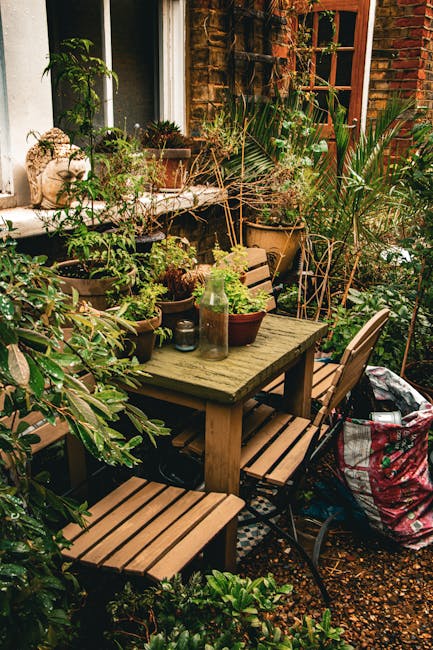
Deptford gardeners solutions for tight access gardens

Back gardens in Deptford can be wonderfully useful, but they are not always easy to work in. A narrow side return, a shared passage, awkward steps, or a terrace with no rear lane can turn even simple gardening jobs into a bit of a puzzle. That is exactly where Deptford gardeners solutions for tight access gardens make a real difference. The right approach keeps disruption low, protects property, and still gets the job done properly.
If you are trying to tidy up a small courtyard, clear a long-overgrown plot, or maintain a garden that seems to have been built with access as an afterthought, you are not alone. In our experience, tight access gardens need more than enthusiasm; they need planning, the right kit, careful waste handling, and a practical eye for what will actually fit through the gap. Let's face it, nobody wants a gardener wrestling a bin bag through a doorway like it is a scene from a comedy sketch.
This guide explains how tight-access garden work is approached, what to expect from a professional team, where the common problems lie, and how to choose the right solution for your space. It also covers useful best practice, a comparison of methods, a real-world style example, and a clear checklist you can use before any work begins.
Why Deptford gardeners solutions for tight access gardens Matters
Access is one of those issues that sounds minor right up until the day work starts. Then it becomes the whole job. A garden may look manageable from the back door, but if the only route in is a narrow alley, a steep set of steps, or a gate that barely opens, everything takes longer. Materials have to be carried by hand. Waste has to be moved in smaller loads. Tools need to be chosen carefully so they do not damage walls, paving, paintwork, or fences.
That matters for three reasons. First, safety: tight spaces leave little room for movement, so there is more chance of trips, knocks, and awkward lifting. Second, efficiency: poor planning turns a straightforward tidy-up into a slow, tiring slog. Third, finish quality: when a team knows how to work in confined spaces, the end result tends to look cleaner and more thoughtful, not just rushed through because access was awkward.
There is also a design angle. In Deptford, many outdoor spaces are compact, layered, or shared between homes. A gardener who understands tight access can suggest maintenance routines, planting choices, or layout changes that reduce future hassle. That might mean simpler edging, smarter paths, or low-maintenance planting beds that are easier to reach. Small choices, but they add up.
For homeowners, landlords, and property managers, this is not just about neatness. It is about preserving access, avoiding damage, and making the garden usable again. Sometimes the job starts with clearance. Sometimes it is a long-term maintenance plan. Either way, the access issue shapes everything.
How Deptford gardeners solutions for tight access gardens Works
A proper tight-access gardening service usually begins with a site assessment. That does not need to be dramatic, but it does need to be honest. The gardener looks at the width of gates and passages, the number of steps, surface conditions, turning space, where waste can be stacked, and whether any materials will need to be carried through the property. In a few cases, the answer is simple: everything must be hand-carried. In others, small equipment, compact wheelbarrows, or sectional methods make the work much easier.
From there, the job is broken into stages. For example, if a garden is badly overgrown, the team may begin with light clearance to open up access, then move into pruning, hedge reduction, mowing, border tidy-up, and waste removal. If the space is a small paved courtyard, the focus may be more on precision: weeding, pressure-free clearance around edges, careful trimming, and checking drainage or slippery build-up. Different garden, different rhythm.
Waste handling is a big part of the process. In tight access spaces, you cannot always bring large machinery right to the back. So cuttings, branches, soil, and general green waste are often bagged, bundled, and moved in stages. That sounds tedious, and yes, sometimes it is. But it is the difference between a neat job and a mess left behind.
Many homeowners also ask about scheduling. In practice, it helps to choose a time when neighbours are less likely to be inconvenienced and when access routes are clear. Morning starts are common because they give room for the work to be finished without feeling rushed. If your property has shared access, it is worth checking that gates, bins, bicycles, or stored items are not going to block the route before the team arrives.
If you want to see how this fits within a wider service range, the services overview is a useful starting point, while routine upkeep may sit alongside garden maintenance or more specific tasks such as lawn mowing and hedge trimming.
Key Benefits and Practical Advantages
The biggest benefit is simple: the garden becomes workable again without unnecessary disruption. But there are several other advantages worth spelling out.
- Reduced property risk: Experienced gardeners know how to move tools and waste without scraping walls, denting paint, or chipping paving.
- Cleaner results: Tight spaces reward precision. When the work is planned well, the finish tends to look sharper and more complete.
- Less physical strain for the client: No one wants to spend a Saturday dragging cuttings through the house. A proper service removes that burden.
- Better use of small gardens: Once overgrowth is under control, you can actually use the space rather than just looking at it and sighing a bit.
- Lower long-term maintenance: Sensible pruning, edging, and layout adjustments can reduce how much work the garden needs next time.
There is also a confidence factor. A lot of people avoid getting help because they assume the access issue will make the job too difficult or too expensive. In reality, the right plan often makes the work more straightforward than expected. Not easy, necessarily, but straightforward. There is a difference.
For some properties, access-friendly gardening also opens the door to improvements such as new planting, better boundary screening, or even structural additions like simple decking. If that is part of your thinking, you may want to look at landscaping, landscape gardening, or decking services once the basic space is under control.
Who This Is For and When It Makes Sense
Tight access garden solutions are useful for a broad range of people. If any of the situations below sound familiar, this kind of service is probably worth exploring.
- Homes with narrow side passages or alley access only
- Terraced properties with rear gardens reached through the house
- Courtyard gardens where tools and waste must be moved carefully
- Overgrown plots that need a first clear-out before regular maintenance can begin
- Rental properties where the garden has been left in poor condition between tenancies
- Older properties with awkward steps, uneven surfaces, or limited gate widths
- Gardens containing heavy hedge growth, brambles, or self-seeded trees that block access
It also makes sense if you have already tried to tackle the garden yourself and realised the access problem is the real obstacle. A tiny mower might fit, but not the bagging route. A pruning saw might be fine, but a pile of branches suddenly becomes the issue. That is where professional planning helps.
To be fair, some gardens are only "tight access" for part of the job. Once the overgrowth is reduced, access improves dramatically. In those cases, a one-off clearance followed by lighter routine care is often the most sensible route. That is a good reason to consider garden clearance before moving into ongoing maintenance.
Step-by-Step Guidance
If you are wondering how a good team approaches a tight access garden, the process usually looks something like this.
- Inspect the access route. Measure gates, note any steps or slopes, and check where tools and waste can safely pass.
- Identify the priority tasks. Is the garden mainly overgrown, badly littered with clippings, or simply in need of tidy maintenance?
- Choose the right method. Manual clearance, compact tools, sectional waste removal, or a mix of all three may be needed.
- Protect surfaces and boundaries. Covers, careful lifting, and sensible movement patterns help avoid scratches and accidental damage.
- Work from the access point inward. In tight spaces, clearing the route first often makes the rest of the job easier. Obvious, but easy to overlook.
- Bag and stage waste. Keeping waste tidy during the job prevents bottlenecks later.
- Finish with a detail pass. Borders, edges, and hidden corners matter more than they do in larger, open gardens.
- Confirm what needs follow-up. A one-off job may reveal pruning or maintenance needs that are better handled later, not all at once.
A practical example: a rear garden with a narrow terraced-house passage may not allow a standard barrow to pass easily. Instead of forcing it, a gardener might break waste into smaller loads, use lighter bags, and keep the walkway clear at every stage. It takes discipline. But it works.
Expert Tips for Better Results
Some of the best results in tight access gardens come from decisions that feel small at the time. They are not flashy. They just save time and trouble.
- Measure the access before the day of work. Guessing is how people end up carrying tools backwards while muttering under their breath.
- Clear the route first. Move bikes, bins, plant pots, hose reels, and other awkward items before the work starts.
- Choose manageable pruning volumes. Big cuts create big waste. Sometimes gradual reduction is smarter than a single heavy cut.
- Use plants that suit the space. In smaller gardens, low-maintenance shrubs and compact hedging often make life easier than high-growing varieties.
- Keep future access in mind. If a new bed or structure will block movement later, it is worth redesigning before problems start again.
Another useful tip: if the garden has hedges or boundary growth pressing into the path, ask for a combined access-and-shape plan rather than treating the hedge as a separate issue. It often saves a second visit. The same goes for lawns trapped behind borders or awkward turns; a wider maintenance plan can be more efficient than one-off patches.
For ongoing upkeep, a combination of regular garden maintenance and targeted hedge trimming usually keeps access much easier over time. Truth be told, regular care beats heroic rescue jobs nearly every time.
Common Mistakes to Avoid
Most tight-access problems are not caused by the garden itself. They are caused by assumptions.
- Assuming standard equipment will fit: A mower, wheelbarrow, or mower trailer may be perfect on paper and hopeless in practice.
- Leaving waste until the end: In a narrow space, that can create a serious bottleneck.
- Underestimating overgrowth: Dense brambles or self-set trees can reduce access before the work even begins.
- Skipping the route check: People often forget steps, door swings, or side-gate latches until the job is underway.
- Choosing aesthetics before usability: A garden that looks good but is hard to reach becomes a maintenance headache fast.
One more, and it is a common one: trying to force a solution into the wrong access pattern. If the only route is through the house, don't assume that means a full garden redesign is needed. Sometimes the smarter answer is a phased clean-up, careful waste staging, and a smaller, more frequent service plan. Not perfect, but very effective.
Tools, Resources and Recommendations
Tight access gardening is usually about the right mix of tools rather than the biggest machine. A good team may rely on compact or handheld equipment, but the real value comes from using each item for the right part of the job.
| Method or tool | Best for | Watch-outs |
|---|---|---|
| Hand tools | Precise pruning, borders, small courtyards, delicate work near walls | Slower for large volumes; requires patience and good technique |
| Compact electric equipment | Small lawns, trimming, and tidy jobs where movement space is limited | Needs safe cable management or battery planning |
| Sectional waste removal | Overgrown gardens, hedges, and jobs with limited carrying space | Can take longer, so scheduling matters |
| Phased clearance | Heavy overgrowth, blocked paths, access that improves during the job | May need more than one visit for the best outcome |
| Simple redesign choices | Long-term access improvement, easier maintenance, cleaner layout | Needs planning and the right balance between looks and function |
If you are reviewing a provider, it is sensible to look at more than the gardening task itself. Trust signals matter too. Clear information about who the company is, how they handle insurance and safety, and whether they publish a straightforward pricing and quotes page can make decision-making much easier.
For households that value sustainability, waste handling is worth asking about as well. Green cuttings, branches, and cleared material should be handled responsibly, and a sensible disposal plan should never feel like an afterthought. The recycling and sustainability page is a useful reference point for that side of the service.
Law, Compliance, Standards, or Best Practice
Most garden jobs are not legally complicated, but good practice still matters. In the UK, anyone working on private property should take safety seriously, respect access arrangements, and avoid causing damage or unnecessary nuisance. That sounds obvious, yet tight spaces are exactly where care can slip if nobody plans ahead.
A few sensible standards apply in day-to-day work:
- Risk awareness: Narrow passages, steps, and uneven paving should be treated as active hazards, not minor inconveniences.
- Manual handling care: Heavy bags or awkward branches need to be moved in a way that reduces strain and prevents injury.
- Property protection: Walls, fences, glass, and internal flooring should be protected where waste is carried through the home.
- Clear communication: The customer should understand what will be done, what access is needed, and where any limitations lie.
- Waste responsibility: Garden waste should be dealt with properly rather than dumped, stored badly, or left to become someone else's problem.
Professional teams will usually have their own safety procedures, and it is perfectly fair to ask about them. If you are comparing providers, check how they describe their approach to safe working, public liability, and site conduct. You can also review the company's health and safety policy, complaints procedure, and payment and security information if you want a fuller picture of how they operate.
For some clients, especially landlords or shared-property owners, it is also helpful to know how a business handles privacy and operational terms. That is not glamorous, but it does show a more organised service. The pages on privacy policy and terms and conditions are worth a read when you are doing your homework.
Options, Methods, or Comparison Table
Different gardens call for different approaches. The best choice often depends on the access route, the level of overgrowth, and how quickly you want the garden brought back under control.
| Approach | Best use | Strengths | Limitations |
|---|---|---|---|
| One-off clearance | Severely overgrown tight-access gardens | Fast reset; opens space quickly | Usually needs follow-up maintenance |
| Regular maintenance visits | Gardens that are already manageable | Keeps access easier; less disruption | May not solve major blockage on its own |
| Phased work | Very restricted access or heavy waste volumes | Safer and more controlled | Takes longer overall |
| Redesign plus maintenance | Small gardens that need long-term practicality | Improves usability and future access | Requires a bigger initial plan |
In many Deptford homes, the most sensible route is a combination: clear the access problem first, then move into lighter maintenance. If the garden is shared or the access route is part of a communal area, a phased plan tends to be calmer for everyone. Less chaos, fewer awkward conversations, and usually a better finish. Nobody needs a drama with wheelie bins at 8 a.m.
Case Study or Real-World Example
Imagine a compact rear garden behind a terraced property. The only access is through a narrow side passage, and after a wet spring the space has become crowded with long grass, hedge clippings, and a few stubborn brambles. A standard approach would struggle here. There is barely room to turn, and a full-size mower is probably more trouble than it is worth.
A sensible gardening team would start by opening the route. The passage is cleared, fragile items are moved, and the overgrowth closest to the access point is cut back first. That immediately improves movement. Next comes the main body of the work: grass is cut with smaller equipment, hedge growth is reduced in stages, and waste is bagged in manageable loads rather than left in one big heap. Finally, the edges and border lines are tidied so the garden feels deliberate rather than merely cleared.
The client gets two things at once: a usable garden and a route that no longer feels like an obstacle course. More importantly, the next visit is easier because the space has been reset. A small redesign might follow later, such as simpler planting or a clearer path layout. That is often the lasting value of tight-access work; it is not just about today's tidy-up, it is about making tomorrow easier too.
Practical Checklist
Use this checklist before booking or starting work in a tight-access garden.
- Measure gates, passage widths, and any steps or steep sections
- Check whether waste can pass through the house or only via outdoor routes
- Move bins, bikes, pots, furniture, and other blockages before the team arrives
- Identify the main problem: overgrowth, lawn care, hedge reduction, clearance, or redesign
- Ask what type of equipment will be used and whether it is suitable for the access route
- Confirm how garden waste will be removed and where it will be staged during the job
- Make sure the provider has clear safety and insurance information available
- Discuss whether the job should be done in one visit or split into phases
- Consider future maintenance so the access problem does not return quickly
- Keep expectations realistic if the garden is heavily overgrown or shared-access only
Expert summary: The best Deptford gardeners solutions for tight access gardens are rarely the loudest or the fastest-looking ones. They are the ones that respect the route, protect the property, and leave you with a garden that is easier to live with next month, not just neater today.
Get a free quote today and see how much you can save.
Conclusion
Tight access does not mean difficult access forever. With the right planning, compact tools, sensible waste handling, and a proper understanding of the space, even awkward Deptford gardens can be transformed into something tidy, usable, and far less stressful to maintain. The trick is not trying to treat a small or restrictive garden like a big open plot. Different rules, different rhythm.
If your outdoor space is blocked by overgrowth, limited by a narrow passage, or simply too awkward to tackle alone, the most helpful step is often a practical assessment followed by a clear plan. That may be a one-off clearance, a phased tidy-up, or an ongoing maintenance routine. Whatever the shape of the job, the right solution should make the garden easier to use, not harder.
And honestly, that is the payoff: a garden that feels lighter, calmer, and more yours again. Small space, big difference.
Frequently Asked Questions
What are Deptford gardeners solutions for tight access gardens?
They are gardening methods designed for properties where space is limited, such as narrow side passages, shared access routes, small courtyards, or rear gardens reached through the house. The goal is to complete the work safely and efficiently without damaging property or creating unnecessary disruption.
Can a tight access garden still be cleared properly?
Yes, usually. The work may need to be done in stages, with smaller loads and more manual handling, but most tight-access gardens can still be cleared, tidied, and maintained properly with the right approach.
Do tight access gardens always cost more?
Not always, but they can sometimes take longer because materials and waste need to be moved carefully. The final price usually depends on the amount of work, how awkward the access is, and whether specialist handling or multiple visits are needed.
What kind of tools are best for narrow garden access?
Compact or handheld tools are often better than large machines. Smaller hedge trimmers, lightweight cutters, hand tools, and manageable waste bags are commonly used because they fit better and reduce the risk of damage.
Is garden clearance different from regular maintenance?
Yes. Garden clearance deals with heavier jobs such as overgrowth, debris, and blocked access. Regular maintenance is for keeping a garden under control once it is already in reasonable shape. Many people need both at different stages.
How do gardeners remove waste from a garden with no rear access?
Waste is usually bagged, bundled, and carried out in smaller loads through the available route. In some cases, the team may need to stage waste in sections so the access path stays clear and safe throughout the job.
What should I check before booking a gardener for a tight space?
Measure the access route, think about where waste will go, move any obstacles out of the way, and ask how the provider plans to work in confined conditions. It is also wise to check their safety and insurance information.
Can landscaping help improve a tight access garden?
Yes. A thoughtful layout can make the garden easier to maintain and easier to reach. Simple path changes, better planting choices, and more practical hard landscaping can all reduce access problems over time.
Will regular hedge trimming help with access?
Definitely. Overgrown hedges often narrow routes and make movement awkward. Keeping them trimmed can improve access, reduce clutter, and make the rest of the garden far easier to manage.
How long does a tight access garden job take?
That depends on the size of the garden, the level of overgrowth, and how restrictive the access is. A light tidy-up may be fairly quick, while a badly overgrown garden with a narrow route can take much longer than a standard job.
Is it better to do the work in one visit or several?
Sometimes one visit is enough, but heavily restricted or overgrown gardens often benefit from phased work. Splitting the job can make it safer, more controlled, and easier to get a clean finish.
How can I keep a tight access garden easier to maintain in future?
Keep on top of hedges, clear pathways regularly, avoid letting clippings build up, and choose planting that suits the space. A simple routine maintenance plan is usually the easiest way to prevent the access problem from coming back.